Part 1 of 3 Articles
By Kathleen Murrain Knudson*
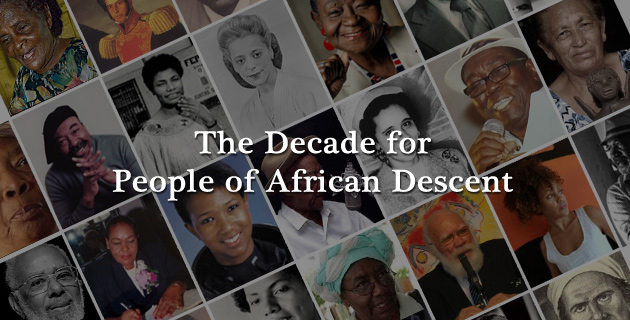
In 2015, the United Nations (UN) proclaimed an International Decade (2015–2024) for people of African descent. It called for action to address the inequalities and discrimination faced by Afro descendants worldwide, aiming to protect their human rights and fundamental freedoms.
Significant legislative and participatory progress has occurred in the last decade. However, many challenges remain, including the continuation of discriminatory practices, limited access to education and employment, and obstacles to reaching the goals of improving the lives of African-descendant populations worldwide.
The lack of access to opportunities, education, and healthcare remains a persistent problem. “It is essential to recognize that the International Decade for African Descendants was not a complete success,” says Dr. María Cristina Fernández, human rights expert and Afro-descendant activist. “However, it has been an important step toward equality and justice for Afro-descendants. It is time for governments, civil society, and the international community to keep working together to address the inequalities and discrimination faced by Afro-descendants.”
UN Declares Second Decade – 2024 – 2034
Theme “People of African descent: recognition, justice, and development.”
In December 2024, the UN announced the declaration of a Second Decade dedicated to African Descendants, presenting an opportunity for civil society and the international community to unite efforts in advancing equality of opportunities and justice.
“We must recognize that the first decade did not meet all its goals, but this second decade is an opportunity for states to commit to working together to promote equality of opportunities and justice for Afro-descendants,” says Celeste Sánchez Sugia, psychologist, former senator, and co-founder of Afrodescendencias Mx in Mexico City. “It is essential to recognize that the fight against racial discrimination and xenophobia is a global fight that requires everyone’s participation.”
The implementation of the decade is centered around three main pillars: recognition, justice, and development. From there, the urgent issues for critical reflection on the development of the decade and its agenda include inclusion, reducing inequalities, gender equity, the role of women, political participation, strengthening democratic spaces, and restorative justice,” shares Emilia Valencia Murrain, an Afro-Colombian, founder of the Association of Afro-Colombian Women Amafrocol, through a joint statement with her team.
A Call to Action!
This second decade presents an opportunity for the Afro-descendant community to work on specific objectives to maximize the next 10 years, with actions focused on visibility, not only of the problems but also of the contributions of our communities to the culture and identity of each territory where we live.
This is the first part of a three-article series focusing on the second decade and the reflections of actors and community members. We will discuss the specific goals for this decade. This is also a call to actively participate in the initiatives that will unfold over the next 10 years.
*About the Author:

Kathleen Murrain Knudson was born in Bogotá, Colombia, and now resides in Mexico City. She is a designer, musician, radio host, and social activist. Click to learn more about her.